AI Has Produced the Answer. What Is Your Role Now?

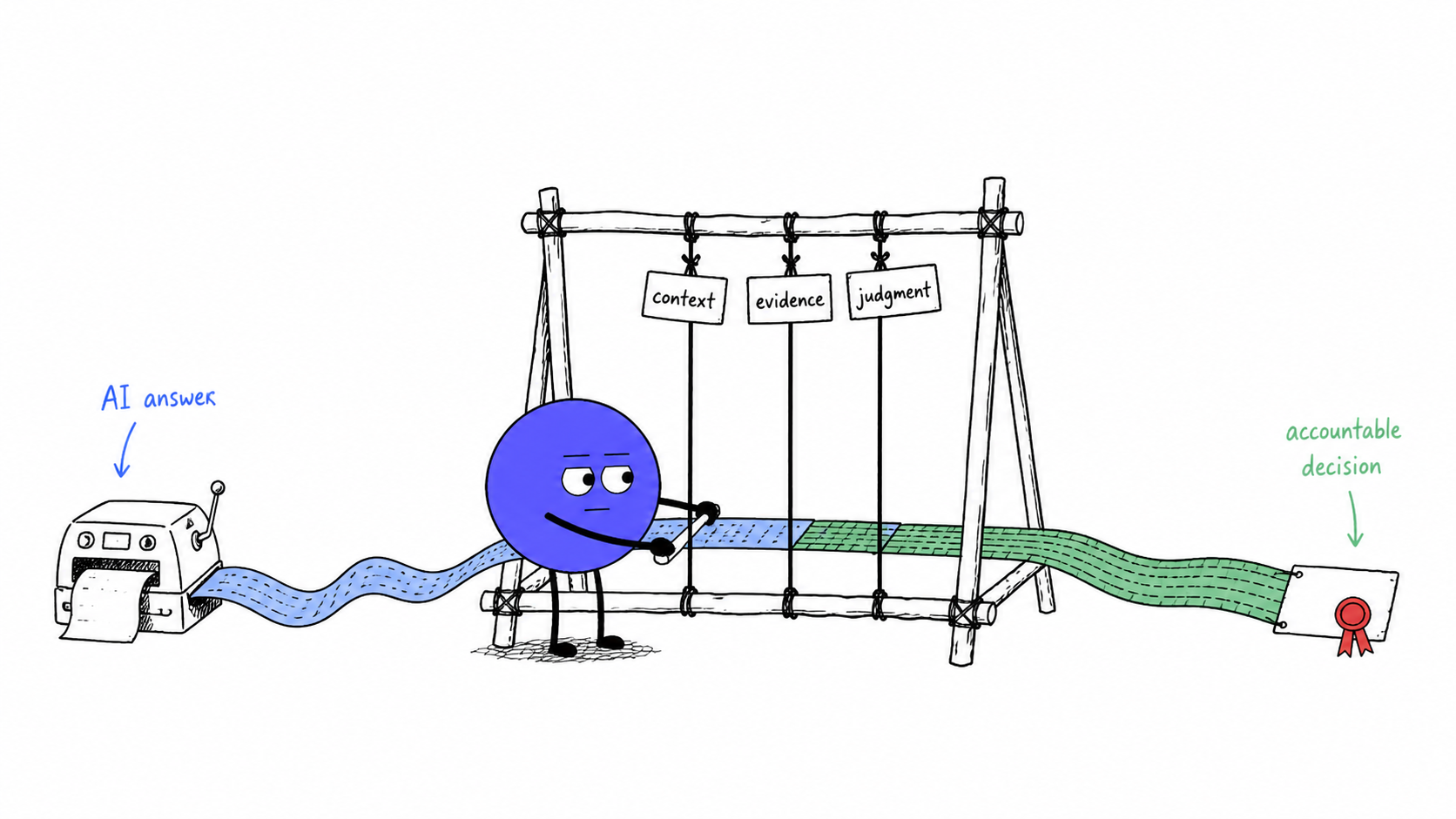
I recently listened to an interview with Andrew Ng about work and learning in the age of AI. It made me think about three questions facing finance professionals.
- Management teams are asking how they should train future professionals.
- Experienced people are wondering what remains valuable when AI can produce analysis and explanations in seconds.
- Young professionals are asking how they are supposed to enter a job market when much of their work can already be automated.
These are different questions, but they point to the same mistake: We still tend to think about a job as one indivisible thing.
Start with tasks, not job titles
Ng's argument is that AI will automate parts of many jobs rather than simply remove the whole role. In the interview, he suggested that AI may be able to do 30 to 40% of the tasks in many jobs.
Take a month-end close. On the first day, someone is chasing files from the entities and checking that every submission has arrived and is complete. A day later, the same person is reconciling balances and there are some discrepancies. Most of the differences can be attributed to timing. One discrepancy is serious, and now somebody has to decide how to fix it, which accounting policy applies, and whether the CFO needs to hear about it before the numbers get published. At the end of the week, that person writes commentary explaining the movement of the financials.
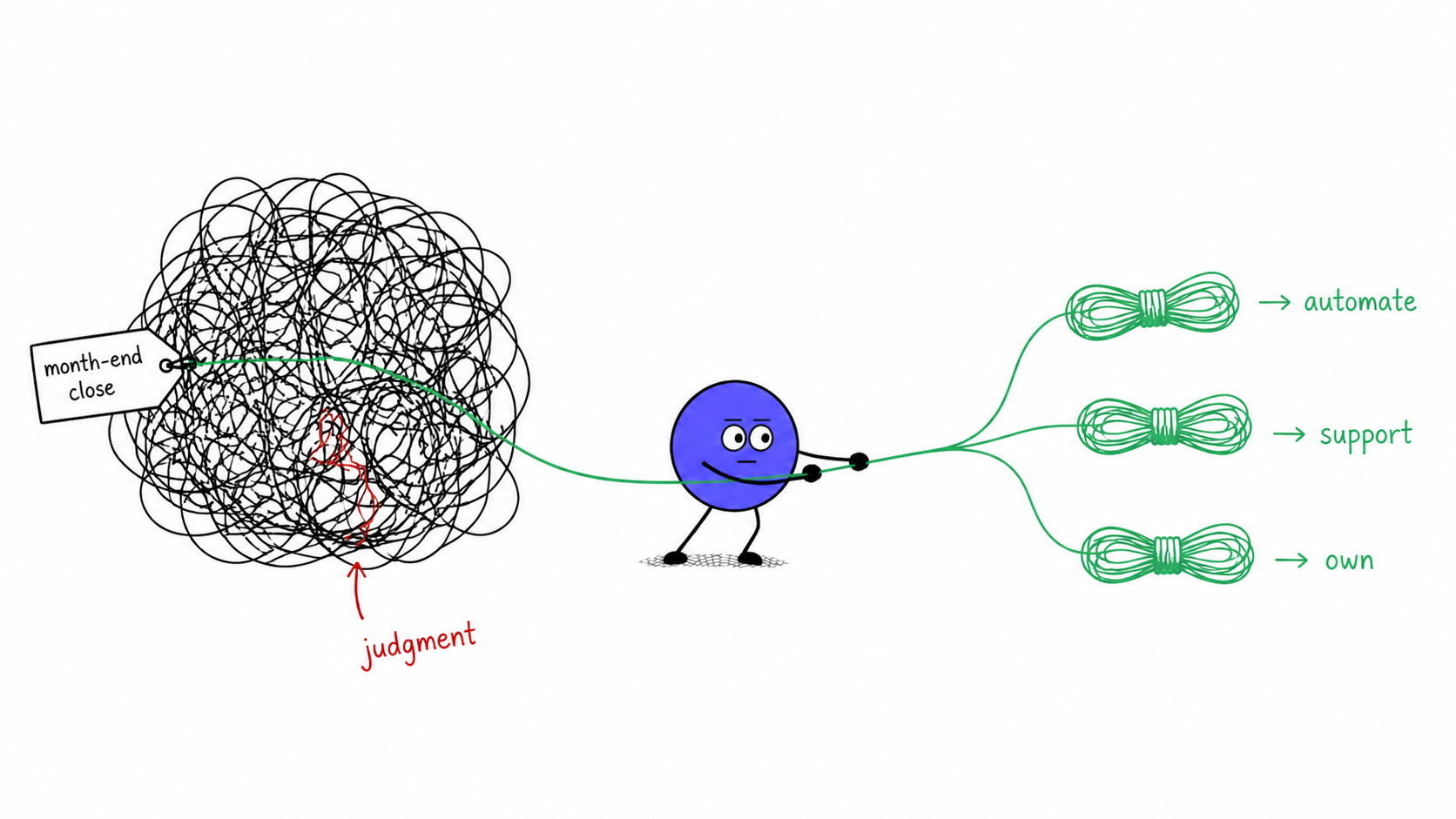
These steps belong to one job, but they are different kinds of work and they carry different risks. Chasing files and checking completeness can be automated with deterministic rules. Matching balances and drafting the explanation of the movement are tasks where AI can help, by finding the pattern in the data or preparing a first version. Deciding whether the unexplained difference matters, and who needs to know, stays with a person.
That is the starting point for answering the three questions above.
Management should guide people to redesign work
The first question is how management should train future professionals. Many AI training programmes begin with tools. People learn how to produce a faster version of something they did manually before. This does not prepare a finance team to change how work gets done.
A better training case starts with a real workflow. The team decides which parts are repetitive enough for rules and where AI can assist without making the decision. It also asks what evidence and controls the output requires, and who remains accountable.
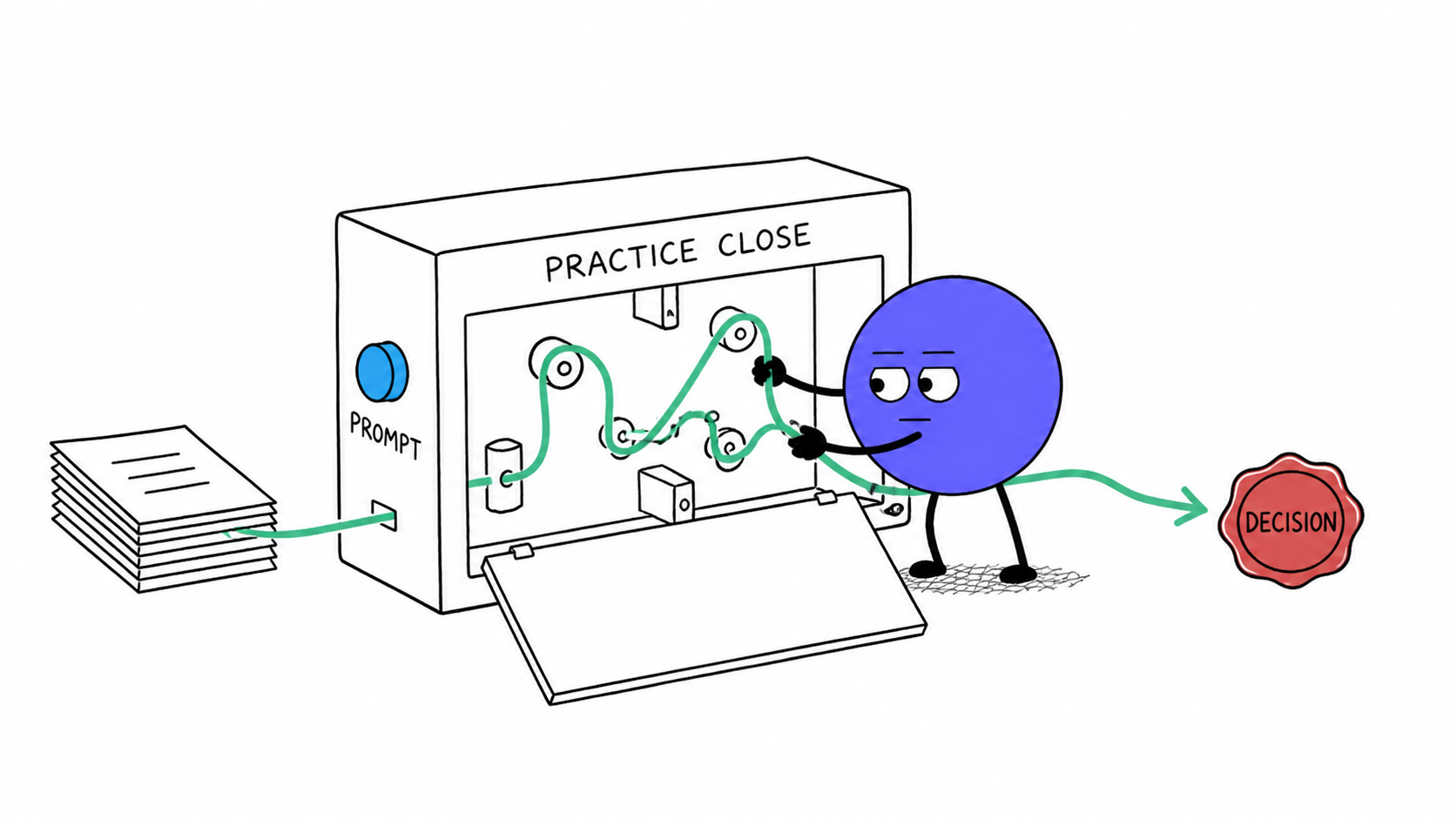
When a team has answered those questions well, it becomes much easier to automate the work effectively. Routine steps can run with less intervention, while a serious exception still reaches the right reviewer with enough evidence to act.
For that, people need somewhere safe to practise. A synthetic case can reproduce the pressure of a real decision without putting live reporting at risk.
Senior professionals have to make their experience usable
The second question is what remains valuable when AI can produce a plausible answer in seconds. Experience becomes more important. A senior finance professional looks at a variance and remembers that the business changed its pricing in March, so the movement is expected. The same person sees a small unexplained difference and worries, because the last time this account behaved like that, a control had failed upstream. They know which policy applies because they were in the room when it was agreed. None of that is written down anywhere and hence cannot be easily transferred to AI workflows.
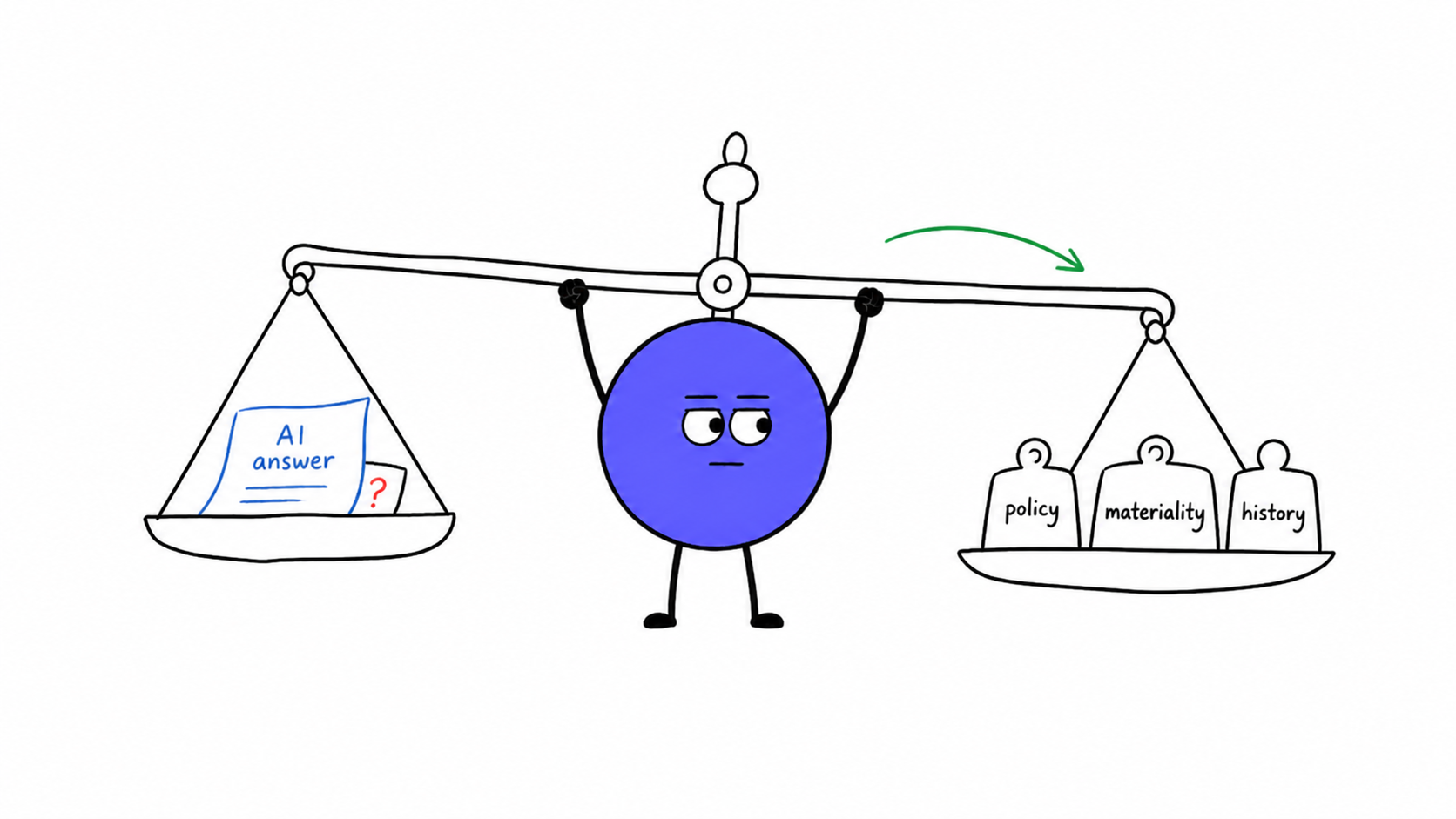
Senior professionals will still sign off, but their future role also includes making professional judgment teachable. For example, the edge case that failed in the past can become an evaluation criterion that every future process has to pass. That transfers experience to younger colleagues and gives AI-supported work a structure it can operate within.
Young professionals need two kinds of competence
The third question is how someone can enter finance when parts of the work can already be automated. For someone entering finance, the fundamentals still matter tremendously. If you cannot form an independent expectation, you cannot tell whether an AI answer is reasonable. Working as if these tools do not exist, however, prepares you for yesterday's job.
Young professionals therefore need dual competence. They must know enough about finance to form an expectation, and they must be able to work with AI well enough to test it.
The order of learning matters. If the task is a reconciliation, ask the learner where they expect the mismatch to come from. If they are writing commentary, ask what they think moved the result. Only then should the generated answer appear. The comparison creates the useful moment: either the learner can defend their reasoning, or they discover what they missed. AI can challenge assumptions, but it should not remove the learner's aha moment.
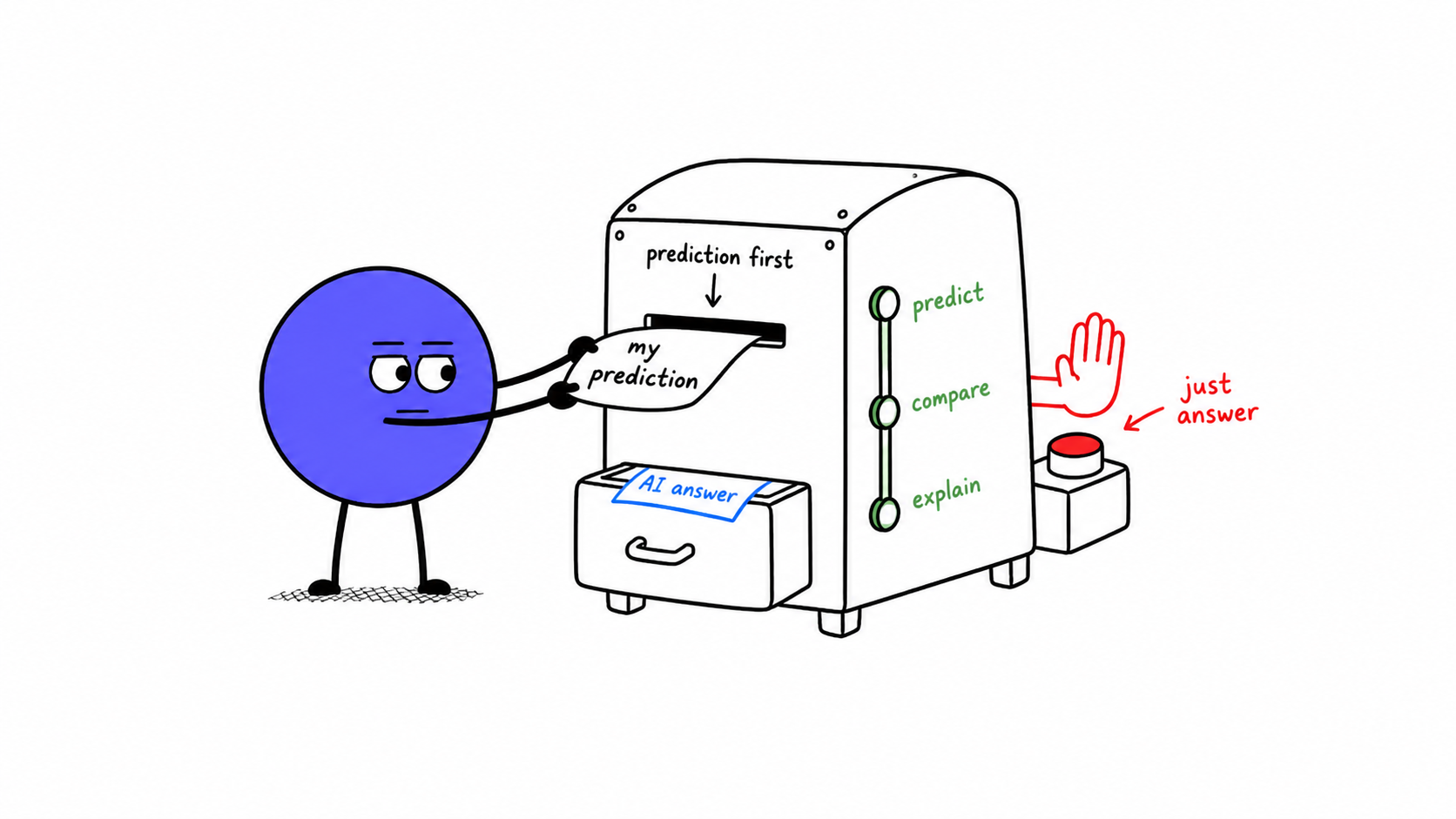
This addresses a second point from Ng's interview: AI is excellent at getting work done, but common patterns of use can be poor for learning because the thinking is offloaded along with the task.
For a new professional, the strongest position is to be the person in the room who can say what is missing from an answer and confidently stand for the result.
How expertise develops when the work changes
In the past, professional training relied heavily on repetition. Junior professionals would get their hands dirty, and they learned because someone more senior would review their work and give feedback. If AI absorbs some of that work, organisations cannot assume expertise will still develop as a by-product.
They have to design the learning deliberately.
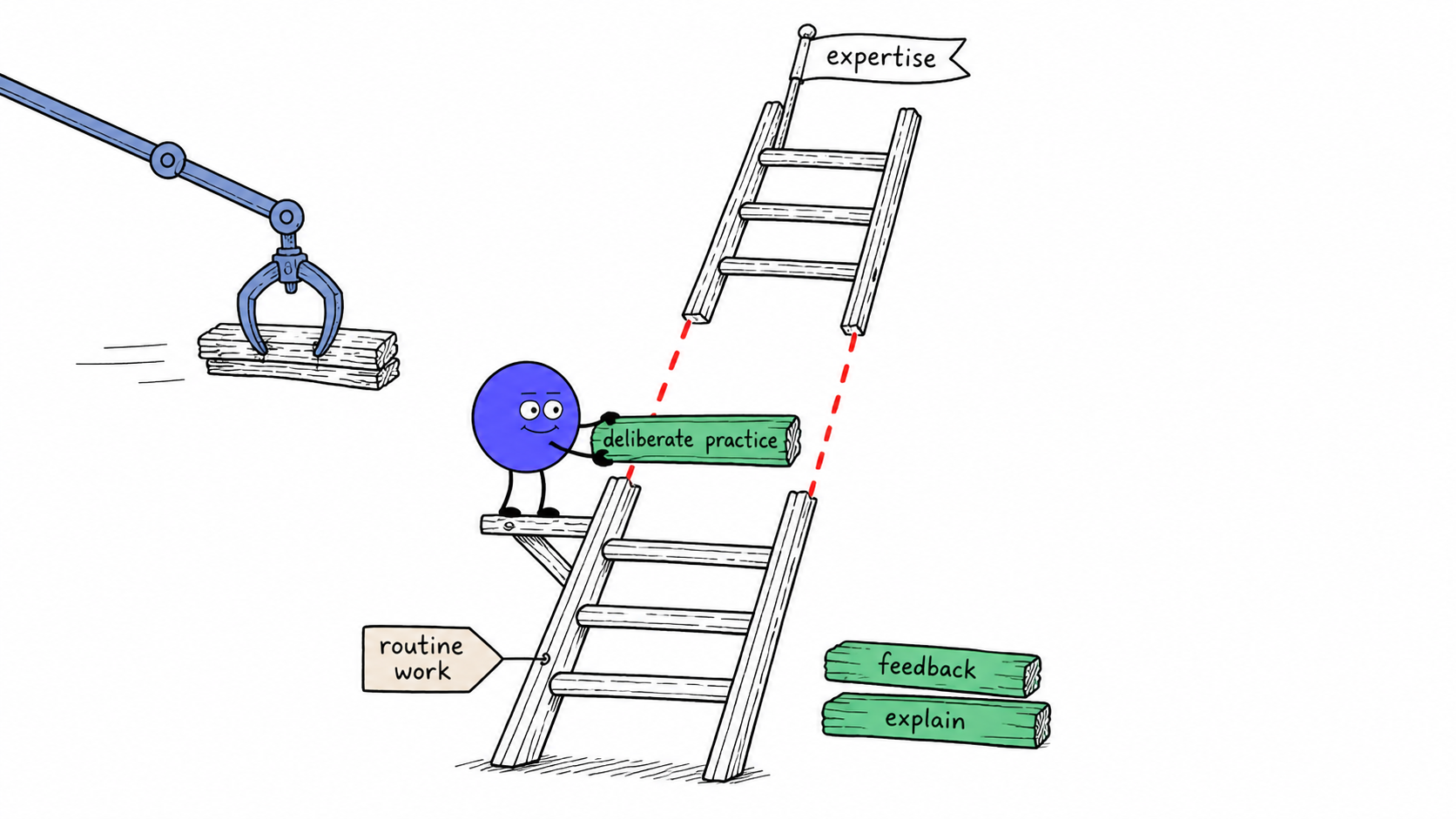
This changes what training has to look like. A junior needs the chance to make a call before AI provides one, and a senior needs time to explain what made that call good or bad. Management's role is to create enough protected space for that exchange to happen around real work.
The most practical place to begin is one workflow, for example the month-end close. Sit beside someone as it happens and notice the points where judgment is required. Ask whether a junior would still learn how to make that decision if AI took over. Those are the moments the new practice needs to preserve.
The point is not only whether AI can perform a step. Someone still has to learn enough to stand behind the result.
Source: Andrew Ng, "The Biggest Opportunities in AI Aren't Where You Think", especially the discussion of jobs as task bundles, human context, learning, and agency.